




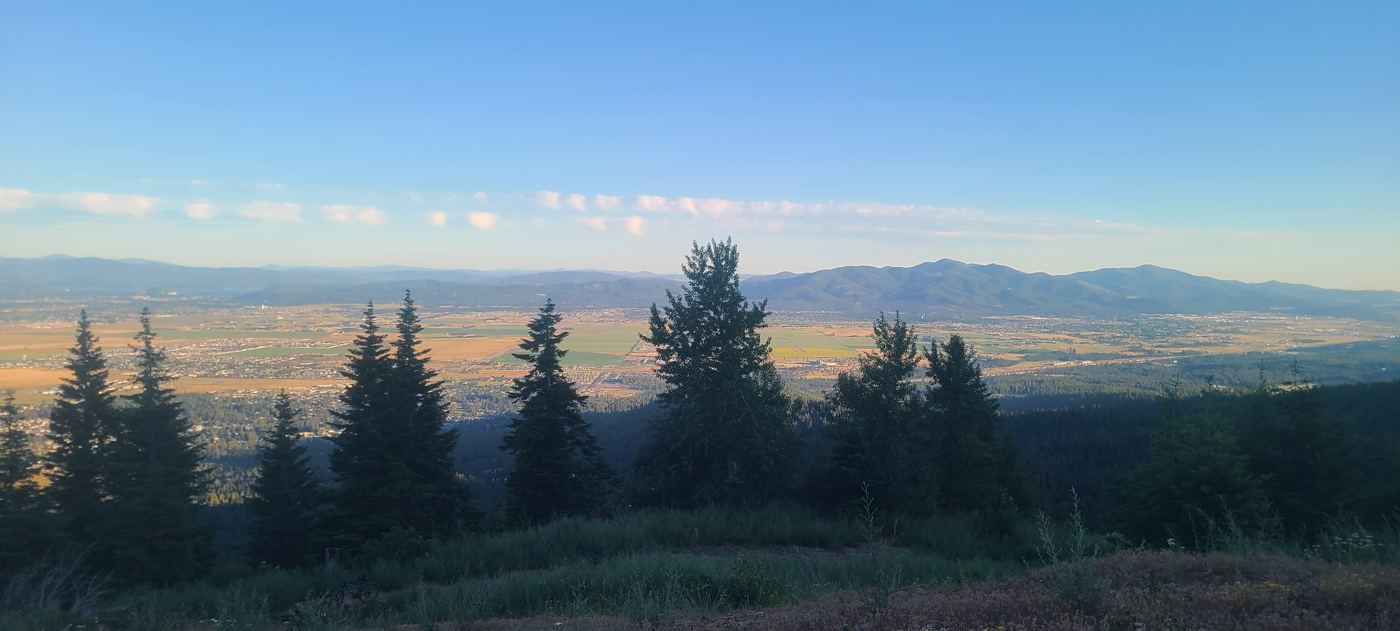
Be honest: when was the last time life felt calm? Work is busy, prices are up, the news is a firehose, and everyone you know seems to be juggling too much. It doesn’t look like things are slowing down anytime soon. That’s exactly why we keep coming back to one of the simplest things we do: put on a pack and go for a hike.
No gym membership, no special schedule, no expensive gear. Just boots, a pack, some water, and a few friends. It’s the cheapest, most useful hour or two of your week.
Why Hike or Ruck?
Hiking is walking on trails. Rucking is the same thing with weight in your pack. Both are low-impact, easy to scale, and hard to beat for what they give back.
Here’s the part we care about most: getting in shape and finding like-minded people both matter. When things get hard, you want to be strong enough to carry yourself and a little more, and you want to know people you can count on. A trail gives you both. It’s hard to fake your way through a four-mile climb, and it’s hard not to bond with people who just did one with you.
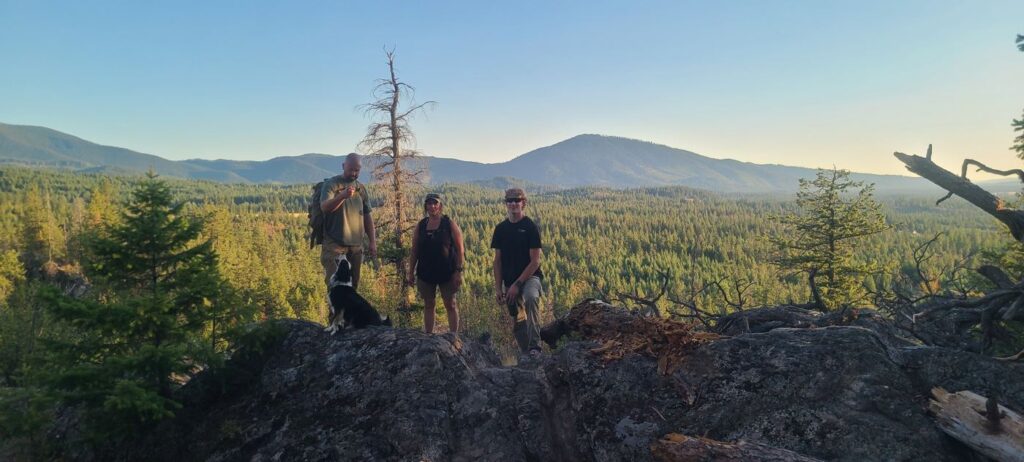
What You’ll Notice (Physically)
Most people feel the changes within a few weeks of regular hiking or rucking:
- Better cardio. Hills that left you winded in week one feel easier by week four. Your resting heart rate often drops, too.
- Stronger legs, hips, and core. Climbing and carrying weight builds the muscles that protect your knees and back.
- Stronger back and shoulders. A properly fitted pack trains posture and upper-body endurance.
- Tougher feet and joints. Done gradually, regular walking under load builds resilience. Done too fast, it builds blisters, so ease into it.
- Weight management. Hiking burns real calories without the grind of a punishing workout.
- Better sleep and mood. Fresh air, daylight, and exercise do a lot for a tired, stressed-out head.
A simple way to start: begin with a light pack (a good first goal is under 10 percent of your body weight), add distance before weight, and add a little more of each every week or two. If something hurts in a sharp or lingering way, stop and get it checked. We covered more on training in our fitness post, so check the Blog page if you want the science.
Hiking Is Where the Conversations Happen
This one surprises people. On a trail, you’re side by side, moving at a steady pace, with nowhere to be but forward. That’s when people talk. Not small talk, but real talk: ideas, worries, plans, jokes, and the occasional bad argument about the best coffee. Some of the best conversations we’ve had as a group have happened on a climb, and some of our best plans started with “hey, what if we…” somewhere around mile three.
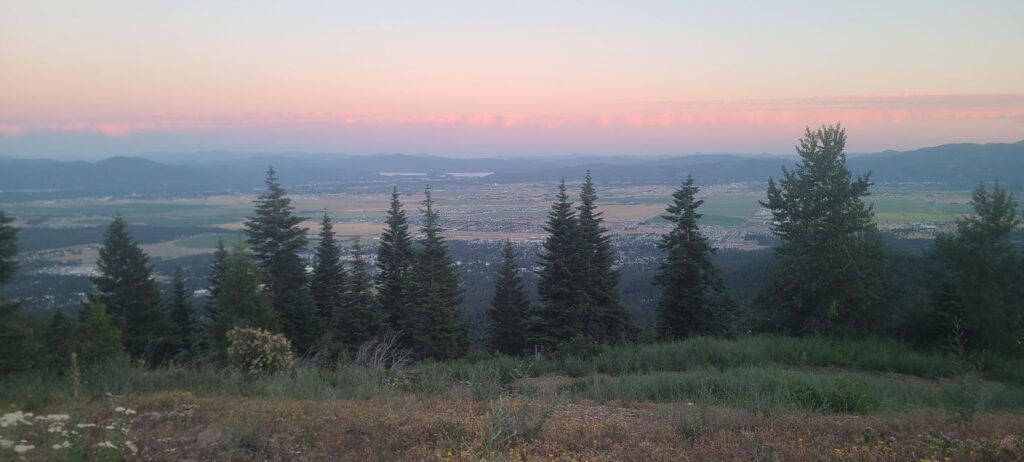
It’s also where you learn who you’re working with: who keeps cheerful when it rains, who notices someone lagging, and who quietly shares their snacks. That kind of trust gets built in the field, not in a meeting. It ties right into our post on community and the outdoors.
Get to Know Your Own Backyard
Every hike teaches you your area: where the trailheads are, how the roads connect, which ridges give a view, where water runs, and what the terrain does after a storm. If you ever need to leave on foot, take a detour, or help someone find their way, that familiarity is a real advantage. You can’t learn a map as well from a screen as you can from walking it.
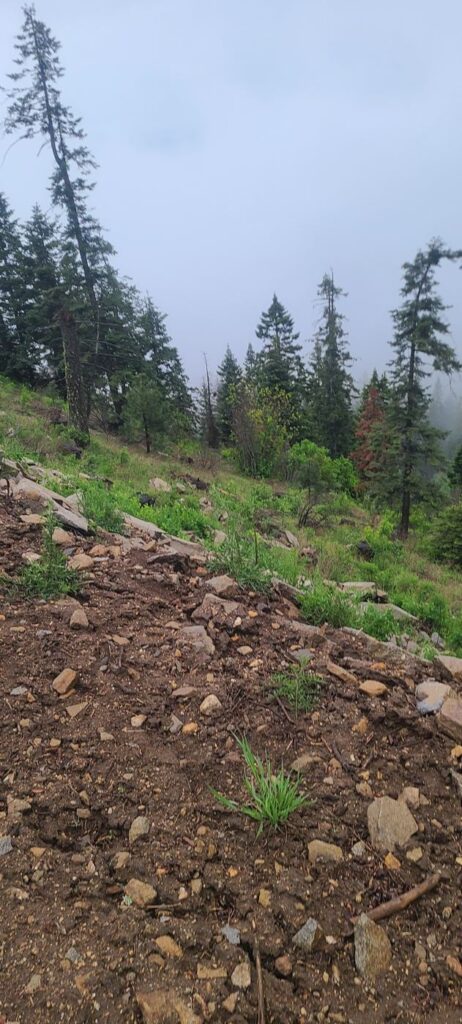
Local Hiking Areas, Sandpoint to Coeur d’Alene
We’re lucky to live here. A few places worth knowing, roughly north to south. Conditions, access, parking, and seasonal closures change, so check with the managing agency before you go:
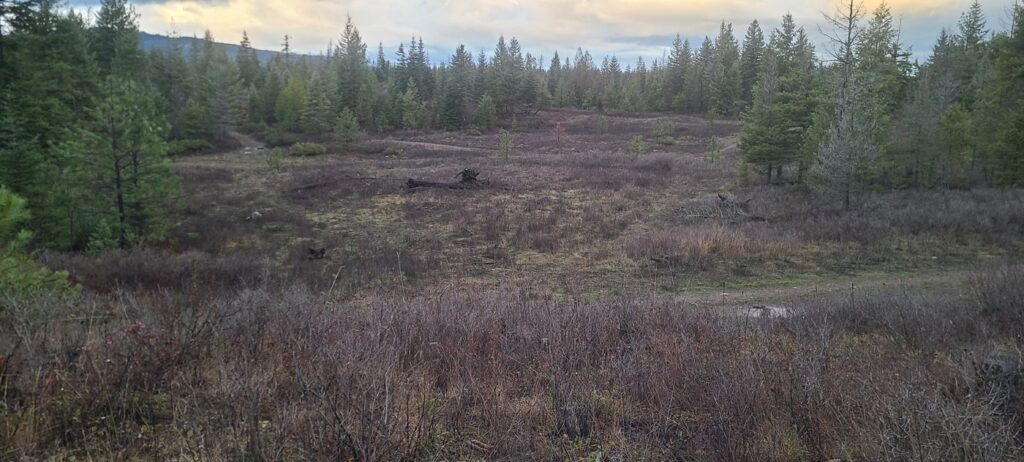
- Gold Hill and Mickinnick Trail (Sandpoint). Close to town, with a steady climb and great views over Lake Pend Oreille. Good for a quick training hike.
- Schweitzer Mountain area. More elevation and longer days, best in summer and fall. In winter, expect snow and use proper gear.
- Pend d’Oreille Bay and Sandpoint waterfront paths. Flat, easy, and good for a first ruck or a recovery day.
- Farragut State Park (near Athol). Miles of trails, forest, and lake access, with the added benefit of park rules and maps.
- Canfield Mountain (Coeur d’Alene). A big trail network with a mix of climbs and loops. Good for building endurance.
- Tubbs Hill (Coeur d’Alene). A short loop right by the lake, great for an evening hike or a first outing for a new member.
- Mineral Ridge (east of Coeur d’Alene). A well-marked trail with views of the lake, good for a half-day.
- North Idaho Centennial Trail and Trail of the Coeur d’Alenes. Long, mostly flat paved or graded paths, good for building mileage under a pack.
It’s November now, so remember that hunting season may still be underway in places, days are short, and weather turns quickly. Wear blaze orange where it’s appropriate, bring a light, and tell someone your route.
Make Every Hike Count: Things to Practice on the Trail
A hike can be just exercise, or it can double as training. Here are some easy ways to get more out of the same miles:
- Test your radios. Check range, terrain effects, and batteries with a buddy a ridge away. Practice your PACE plan and see what actually works on your terrain, not just on paper.
- Fly drones. Practice launches, range, battery life, and spotting. Know the rules first: see our drone training post, and get written consent before filming people.
- Use night vision and thermal. A short evening hike teaches you more about these tools than any manual. Our night vision hike post has ideas, and the ground rules are worth reading first.
- Practice medical skills. Run a quick drill: a “casualty” with a simulated injury, a tourniquet application, a carry. See our first aid post for the basics.
- Practice non-verbal commands. Hand signals for halt, rally, danger, and “I see something” are fun to learn and make a group quieter and more disciplined. Agree on them before you start, and use them on the trail.
- Navigation. Put the phone away and use a map and compass. Have one person lead by navigation, and rotate.
- Observation games. Count what you notice: trail signs, other hikers, tracks, changes in terrain. It builds situational awareness without being weird about it.
- Gear shakedown. Every hike is a free test of your pack, boots, and layers. Find out what rubs, leaks, or weighs too much now, not later.
Pick one thing per hike and do it well. Next time, pick another. After a few months, you’ll have a group that’s fit, familiar with the area, and practiced at the things that matter.
Come Hike With Us
You don’t need to be in shape. You’ll be in shape soon enough. Come with water, a pack, sturdy shoes, and a good attitude. Check our How to Join page, message us ahead of time, and we’ll tell you where we’re headed. It might be the best two hours of your week.
Related Reading
- Cardio First: Why Conditioning Comes First (And How We Test It)
- Under Night Vision: Hiking, Tracking, and Evading in the Dark
- No Man Is an Island: Community, Joy in the Outdoors, and Being Prepared
Share this post: Facebook | X | Telegram | Email
Disclaimer
- This post is general information, not medical or professional advice. Talk to your doctor before starting a new exercise program, especially if you have health concerns.
- Trail conditions, access, and rules change. Check with the managing agency and respect private property, closures, and seasonal restrictions.
- Tell someone your route and return time, carry water, and dress for the weather. Wear blaze orange during hunting seasons where appropriate.
- Follow all laws regarding drones, recording, night vision, thermal devices, and radio use. Laws change, so verify current rules.
- Train only on land you have permission to use, and always with safety first.

