




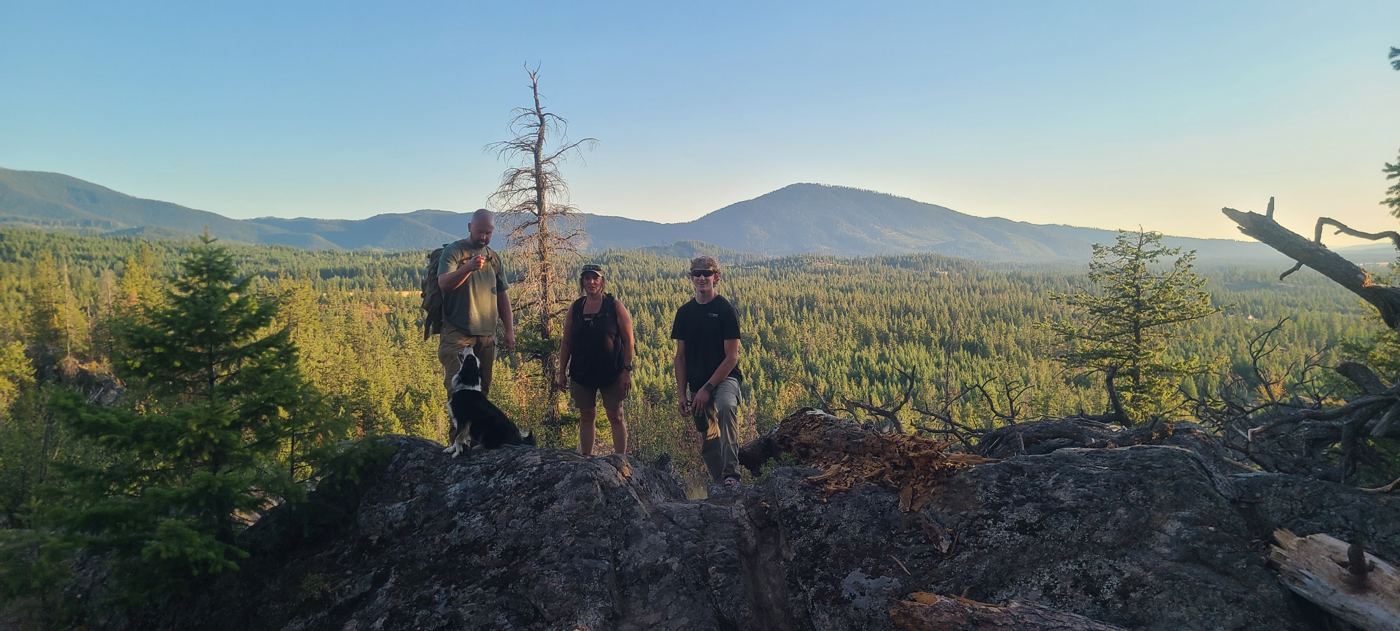
We talk a lot on this blog about training: getting fit, learning first aid, building a comms plan, knowing your rifle, finding your way with a map and compass. All of that matters, and we’re not going to stop talking about it. But there’s something that matters more, and we’d be doing you a disservice if we didn’t say it plainly: none of it means much if your family life is falling apart while you’re out training.
“Faith, Family and Country” isn’t just a line on our home page. Family is the reason most of us got into preparedness in the first place. So this post is about two things: keeping a solid home life, and why bringing your wife or girlfriend, and your older kids, into your training is one of the best things you can do for all of you.
Training Matters. So Does Being Home.
Let’s be honest about the tension. Rucks on Monday nights, range days on Sunday, the occasional overnighter, a meeting once a month. That adds up. If every one of those hours is time away from the people at home, it can start to feel like the militia is competing with the family, and that’s a fight nobody wins.
Most people who drift away from a group like ours don’t leave because they lost interest in the skills. They leave because training turned into a source of friction at home. A spouse who feels left behind. Kids who only know that Dad or Mom is “gone again.” That’s not a preparedness problem you can solve with better gear.
The fix isn’t to train less. Often it’s to stop training alone.
Why Bring Your Wife or Girlfriend
It turns time away into time together
A Monday night ruck can be a date night with a heavier backpack. A range day can be something you look forward to doing together instead of something you have to negotiate. When the people you love are part of it, training stops costing you family time and starts adding to it.
She understands the “why”
It’s hard to support something you’ve never seen. When your partner has been to a meeting, met the people, and spent an afternoon learning alongside them, she knows exactly what you’re doing and why. A lot of the “why are you always going to that?” conversations just go away.
Your family plan only works if your family knows it
Here’s the practical part. If something serious happens, there’s a good chance you won’t be home. You might be at work, on the road, or across town. If you’re the only person in the house who knows the rally point, the radio channel, where the medical bag is, or how to stop serious bleeding, your family plan has a single point of failure: you. Train together and that plan lives in more than one head. We made the same point in our post on building a communications plan: a plan nobody has practiced isn’t really a plan.
She brings skills you don’t have
Plenty of the most valuable people in any group aren’t the best shots. They’re the ones who organize, who stay calm under stress, who know medicine, who can cook for twenty people, who notice when someone is struggling. Many of the women in our group lead in exactly those areas, and plenty of them can outshoot the guys too. Take a look at our Roles in the Militia page to see how many ways there are to contribute.
Why Bring Your Older Kids
Younger family members are welcome to attend and take part with a parent or guardian’s approval, and older kids in particular get a lot out of it.
Real skills build real confidence
A teenager who can read a map, use a radio properly, treat a wound, or start a fire in the rain carries himself differently. Those aren’t participation trophies. They’re things that actually work, and kids know the difference. That kind of confidence carries over into school, jobs, and everything else.
Responsibility and safety, taught the right way
Kids learn safety best by watching adults take it seriously. Firearm safety, range rules, and wilderness safety taught under close supervision, by people who live those rules, sticks a lot better than a lecture. Give them a real job, like keeping the first aid kit stocked or running the family radio check, and they’ll rise to it.
Good mentors besides Mom and Dad
Teenagers don’t always want to hear it from their parents. Hearing the same lessons from another adult they respect, a medic, a team lead, a veteran, can make all the difference. A group like ours gives kids a whole bench of solid adults who care how they turn out.
Off the screen and into the world
We’ve written before about how good it is to get outside, in No Man Is an Island and our post on hiking from Sandpoint to Coeur d’Alene. That goes double for kids. A day on the trail or at a training event is a day spent moving, talking, and learning instead of scrolling.
Memories that hold a family together
Years from now, your kids probably won’t remember a random Tuesday. They’ll remember the night hike where everyone got lost for twenty minutes and laughed about it the whole way back. They’ll remember canning with Mom or learning to shoot with Dad. Shared challenges build the kind of bond that lasts.
Families Strengthen the Whole Group
When families come out, the group changes for the better. Kids make friends with other kids. Spouses get to know each other. People start helping each other outside of training: meals when someone’s sick, a hand moving furniture, someone to watch the kids. That’s what a real community looks like, and it’s exactly what you’d want around you on a bad day.
It also keeps all of us honest. When there are families in the room, the standard of conduct goes up. That’s a good thing.
Keeping the Balance
Bringing family in doesn’t mean dragging them to everything. A few things we’ve learned:
- Let them choose their level. Not everyone wants to shoot or ruck. Some will love the medical side, the radios, or food storage. Meet them where they are.
- Start easy and keep it short. A family-friendly meeting or a short evening walk is a better first step than an overnighter in the snow.
- Keep it fun. If your spouse or kids dread it, you’re doing it wrong. Snacks help. So does stopping before everyone’s miserable.
- Protect family time that has nothing to do with training. Birthdays, ball games, church, and quiet nights at home come first. Put them on the calendar before the training schedule fills it.
- Safety is never optional. Kids stay under direct supervision, and range and safety rules apply to everyone, every time.
Easy Ways to Start
- Bring the family to a public monthly meeting. They’re family friendly and open to everyone.
- Come out to a Monday ruck or hike. We tailor it to whoever shows up.
- Take a first aid or CPR class together. Then build the family medical kit as a team. Our post on first aid lessons from One Second After is a good place to start.
- Run a family radio night and practice your check-in plan.
- Do a home preparedness project together, like preserving food or building go-bags for each person.
- Give each person a job in the family plan, and practice it once in a while.
A Few Things to Take Away
- Training matters, but not at the expense of your family. Keep home life solid.
- Train with your family instead of away from them, and time spent training becomes time spent together.
- A family plan only works if more than one person knows it.
- Partners bring skills, perspective, and strength the group needs.
- Older kids gain confidence, responsibility, real skills, and good mentors.
- Families make the whole group stronger and closer.
- Let everyone choose their level, keep it fun, and keep it safe.
Come Out With Us
As we head into the holidays, it’s a good time to think about what you’re preparing for. For most of us, the answer is sitting around the table. Bring them along. Check out our How to Join page, take a look at the Calendar, and message us before you come out so we can plan for your whole crew. Spouses and kids are always welcome.
Related Reading
- No Man Is an Island: Community, Joy in the Outdoors, and Being Prepared
- Hiking from Sandpoint to Coeur d’Alene: Fitness, Friends, and Training on the Trail
- Building a Communications Plan That Actually Works
- Lessons from One Second After: First Aid Skills for the Worst Day and Every Day
Share this post: Facebook | X | Telegram | Email
Disclaimer
- This post is general information, not legal, medical, or professional advice.
- Members must be 18 or older. Younger family members may attend and take part only with parent or guardian approval and under direct adult supervision.
- Follow all firearm safety rules, range rules, and laws at all times, and store firearms securely at home.
- Know your limits and your family members’ limits when hiking, rucking, or training, and tell someone your plans before you go.

